
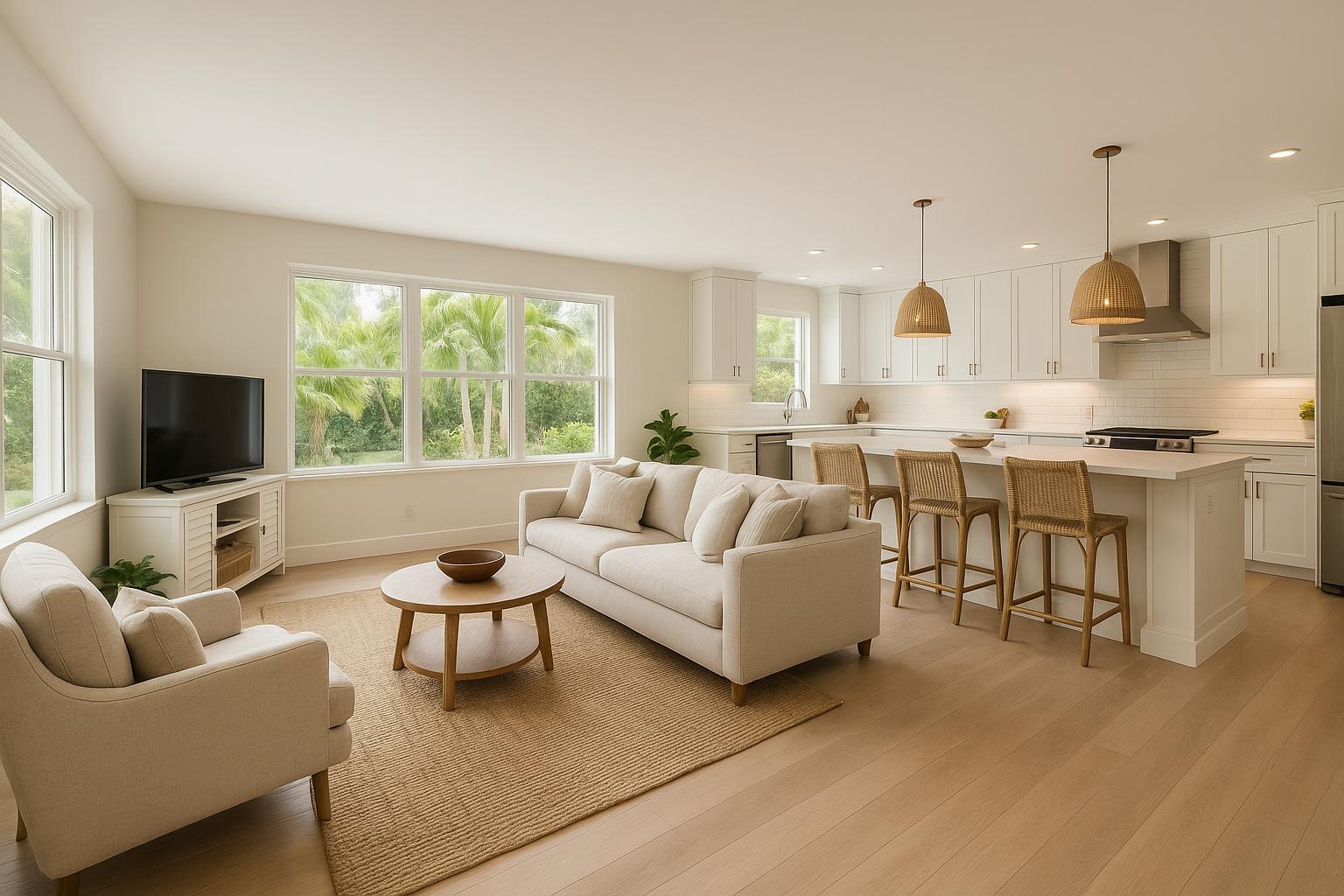
Why Whole-Home Remodels Feel So Overwhelming
Renovating an entire house isn't just a bigger version of updating a single bathroom. It's a fundamentally different kind of project — one that involves coordinating multiple trades, managing overlapping timelines, and making hundreds of decisions in a compressed window. For homeowners in Pinecrest, where many properties were built decades ago and are ripe for modernization, a whole-home remodel can dramatically transform daily life. But without a solid plan, it can also become a source of constant stress.
The good news? Most of that stress is preventable. At Mountaineer Construction, we've guided families through full-scale renovations from start to finish, and we've learned that the projects that go smoothest all share one thing in common: a clear plan established before a single wall is touched.
Here's how to build that plan.
Step 1: Define Your Priorities Before You Set a Budget
Most people start with a dollar figure and try to squeeze everything into it. A better approach is to start with your priorities. Sit down with everyone who lives in the home and answer a few key questions:
- What bothers you most about the current layout? Maybe the kitchen feels cut off from the living area, or the master bathroom hasn't been updated since the 1990s.
- What do you wish your home had? Think about a bigger pantry, an outdoor living space for entertaining, or simply more natural light.
- How long do you plan to stay? If you're remodeling your forever home in Pinecrest, you can invest in personal preferences. If you might sell in five years, focus on improvements with strong resale value.
Once you have a ranked list of priorities, you can build a realistic budget around what matters most — and identify which items can be phased into a later project if costs run high.
Step 2: Establish a Realistic Budget (With a Contingency)
Whole-home remodels in South Florida typically range widely depending on the scope, finishes, and age of the home. A cosmetic refresh — new flooring, paint, updated fixtures — costs significantly less than a gut renovation that involves moving walls, upgrading plumbing, and replacing electrical panels.
Whatever your target number, add a contingency of 10 to 20 percent. This isn't pessimism; it's realism. Older homes in Pinecrest and surrounding neighborhoods like Palmetto Bay and Coral Gables often reveal surprises once demolition begins — outdated wiring, water damage behind walls, or plumbing that no longer meets code. A contingency fund means those discoveries don't derail the entire project.
A Quick Budgeting Tip
Separate your budget into categories: structural work, kitchen, bathrooms, flooring, painting and finishes, and outdoor spaces. This makes it easier to adjust one area without throwing off the whole plan.
Step 3: Choose Your Contractor Early — Not Last
One of the most common mistakes homeowners make is finalizing their design, selecting every material, and then shopping for a contractor to execute the vision. The problem? A good remodeling contractor can save you money and headaches by weighing in during the planning phase, not after.
When you bring a contractor into the conversation early, they can flag potential issues with your wish list, suggest cost-effective alternatives for expensive finishes, and help you sequence the work so you're not paying tradespeople to stand around waiting on each other.
Look for a contractor who communicates clearly, provides detailed written estimates, and has experience with whole-home projects — not just single-room renovations. In a community like Pinecrest, where homes vary from mid-century ranch styles to newer custom builds, experience with diverse construction types matters.
Step 4: Plan for Where You'll Live During Construction
This is the question nobody wants to think about, but it makes a massive difference in your day-to-day sanity. For a full-scale remodel, you generally have three options:
- Move out entirely. This is the least stressful option and often allows the crew to work faster since they have full access to every room.
- Stay and phase the work. Your contractor completes one section of the home while you live in another. This takes longer but avoids the cost of temporary housing.
- A hybrid approach. Stay for the early phases when work is concentrated in one area, then move out briefly during the most disruptive stages like kitchen demolition or flooring installation.
Discuss this with your contractor before the project starts. The living arrangement you choose will directly affect the project schedule and sequencing.
Step 5: Make Material Selections Before Work Begins
Delays in whole-home remodels are rarely caused by lazy workers. They're almost always caused by materials that haven't arrived yet. Cabinets, countertops, specialty tile, custom windows — these items can have lead times of four to ten weeks, sometimes longer.
The earlier you finalize your selections, the earlier your contractor can place orders and build a realistic timeline. If you're still deciding between two countertop options when demolition day arrives, you're setting yourself up for a gap in the schedule that costs time and money.
Pro Tip for Pinecrest Homeowners
South Florida's humidity and climate should influence your material choices. Engineered hardwood often performs better than solid hardwood in our environment. Porcelain tile is a durable, moisture-resistant option for bathrooms and outdoor living areas. Your contractor should be able to guide you toward materials that look beautiful and hold up to local conditions.
Step 6: Set Communication Expectations From Day One
The number one complaint homeowners have about remodeling projects isn't cost overruns or timeline delays — it's poor communication. You should never have to wonder what's happening in your own home.
Before the project kicks off, establish how and when you'll receive updates. At Mountaineer Construction, we keep homeowners informed at every stage because we believe transparency isn't a bonus — it's the baseline. Whether it's a weekly walkthrough, a daily text update, or a shared project timeline, clear communication keeps everyone aligned and prevents small misunderstandings from becoming big problems.
Step 7: Expect the Unexpected — and Stay Flexible
Even with the best plan, remodeling a whole home is a complex process. A permit might take a few extra days. A backordered faucet might require a quick substitution. The important thing is how you and your contractor handle those moments together.
Flexibility doesn't mean lowering your standards. It means trusting the process, staying in close contact with your team, and keeping your eyes on the bigger picture: a beautifully renovated home that works for your family for years to come.
Ready to Start Planning?
If you've been thinking about a whole-home remodel in Pinecrest or a neighboring community like South Miami, Kendall, or Cutler Bay, the best time to start planning is now — even if construction is months away. The more lead time you give yourself, the smoother the entire experience will be.
Mountaineer Construction specializes in whole-home renovations that are thoughtfully planned and expertly executed. We treat every project like it's our own home, because we believe that's the only standard worth holding. Contact us today to schedule a consultation and take the first step toward the home you've been imagining.